

MUSCAT, NOV 1
Oman must invest as heavily in Omani energy-trading specialists as it has in oilfields, refineries and ports, a former senior ministry official has said, setting out his priorities for the sector in 2027.
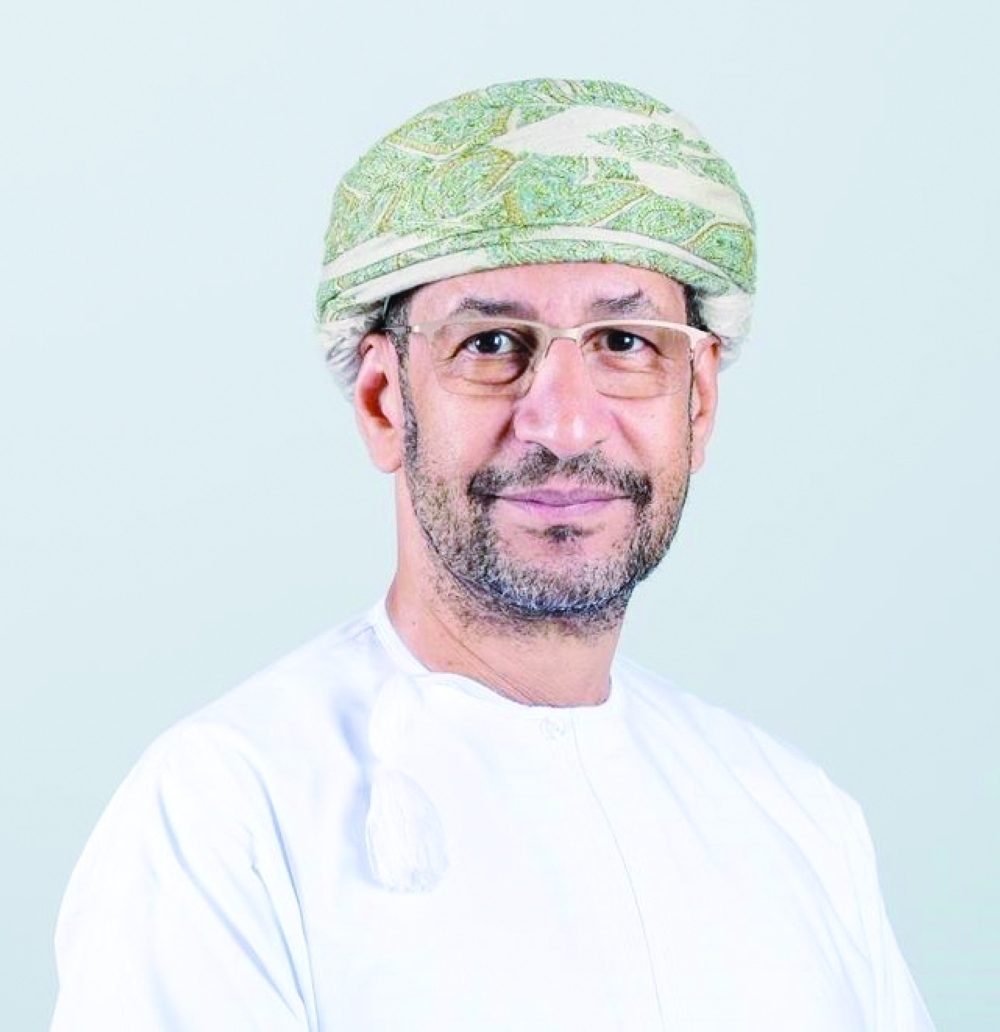
Ali bin Abdullah al Riyami, former Director General of Marketing at the Ministry of Energy and Minerals, said the country needs people who understand markets, pricing, shipping, hedging, risk management and contracts, a point he considers very important given his experience in marketing.
“A barrel’s value is not made in the field alone. An important part of its value is made at the negotiating table, and in the decision on timing and on the market where it will be sold,” he told the Observer.
More broadly, he said the priority in 2027 should be not only to raise production but to maximise the return Oman earns from its resources, its location and the infrastructure it has invested in over recent years.
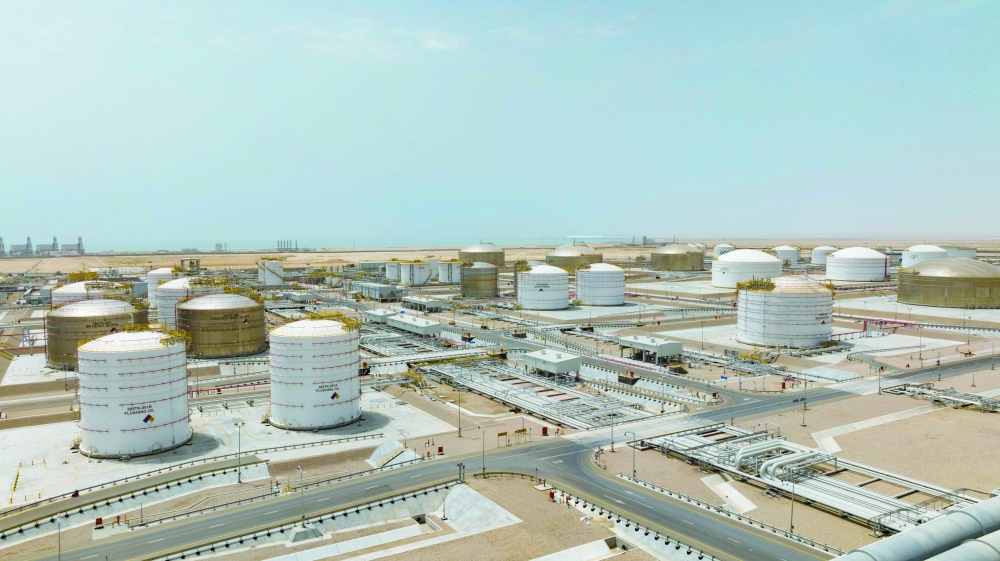
Oman’s oil sector is more integrated than it was 20 years ago, with production, refining, storage, ports and export facilities, he said. “The challenge now is how to bring these elements together in one system that achieves the highest possible value for the Omani barrel.”
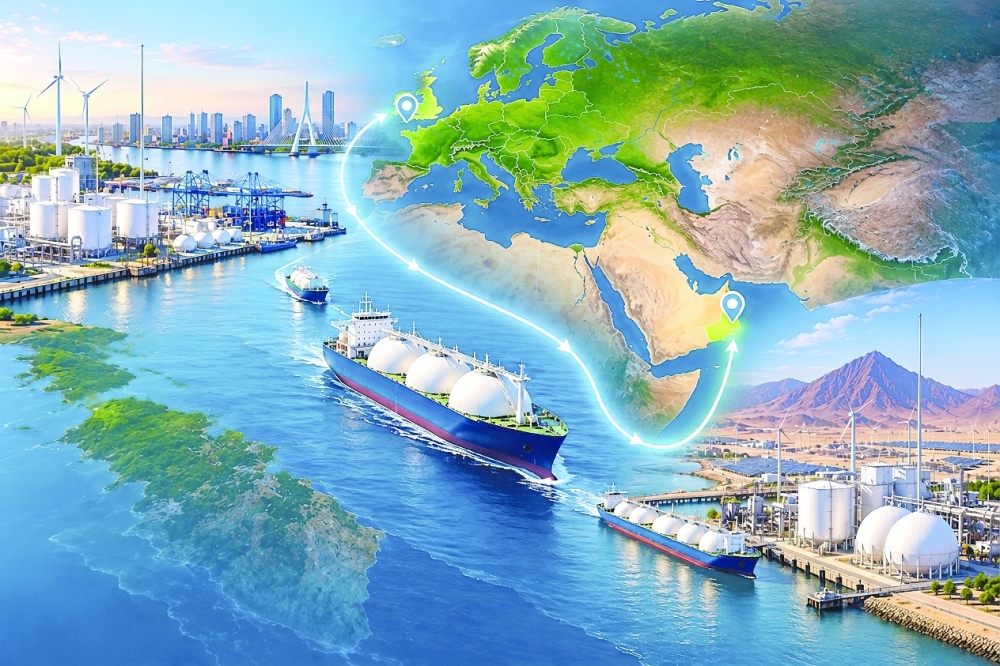
He said it is very important to make the export and storage system more flexible and to make greater use of Oman’s geographical location, with Ras Markaz of particular significance alongside Duqm, where a refining, storage and export system is developing. Citing OQ, he said the Ras Markaz terminal is linked directly to the Duqm refinery by an 80-kilometre pipeline.
Refining should not be treated as an end in itself, he said, adding that the choice between refining and exporting crude “should be economic, commercial and flexible”.
On the production side, he believes the challenge in the coming years will be to sustain capacity efficiently while cutting the cost and carbon intensity of each barrel. “Competition in the oil market ahead will not only be about who has the largest reserves, but also about who can produce a reliable, low-cost and less emissions-intensive barrel,” he said.
Oman must also continue to pursue renewable energy and green hydrogen seriously, he said, though he prefers to judge such projects on their economic and commercial feasibility rather than on ambition alone. “In hydrogen, for example, real success is not in announcing a big project, but in the ability to produce it at a competitive cost, find a buyer for it and sign long-term contracts that ensure the project’s sustainability.”
“I believe our ambition for 2027 and beyond should not be for Oman to remain merely a reliable producer and exporter of energy, but to become a more prominent player in energy trading and in creating the value linked to it,” he said.
In the nearer term, Al Riyami expects a highly volatile oil market for the rest of 2026, one that moves quickly with any development in supplies, shipping or geopolitics. “I do not see a sustained rise, nor do I see a calm, gradual decline,” he said.
Supply risks, low inventories, higher transport and insurance costs and pressure on some oil products are pushing prices up, he said, but an equally important factor is that the global economy cannot withstand very high energy prices for long.
“We must remember something the market’s history has taught us repeatedly: high prices themselves may be the cure for high prices,” he said. When oil and fuel reach levels that weigh heavily on economies and consumers, demand starts to fall, consumption patterns change and the market eventually corrects, he added.
If tensions ease and supplies and shipping return to a more regular pattern, prices could fall, possibly faster than some expect, because part of the current price reflects a risk premium, he said. Fresh disruption to supplies or export routes would naturally bring new increases.
He declined to put a specific figure on the oil price at the end of the year. “Experience has taught me that setting a price in a market driven by changing political and security events may give an impression of certainty at a time when no such certainty exists,” he said.
Over the remaining months, he will be watching three things: the security and stability of supplies, inventory levels, and the performance of the global economy and demand, particularly in the major economies.
Oman Observer is now on the WhatsApp channel. Click here